The weird, wacky and gross substitutes for dental floss
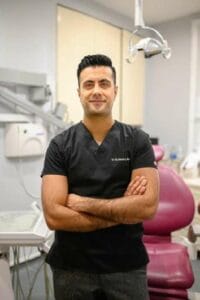
By Dr Sulaman Anwar, a registered Specialist Periodontist with a Master’s Degree in Periodontology
When patients food stuck between their teeth, and have no access to floss or interdental brushes, this is what some of them have confessed to using to dislodge it according to gum disease specialist Dr Sulaman Anwar:
A strand of hair
A credit card
House keys
A pen lid
A paper clip
Chewing gum
Hair pin
Paper
Finger nails
It is very important to clean in between the teeth. Research shows us that if we do not floss or use interdental brushes between the teeth, we are missing 40% of our tooth surfaces.
Dr Anwar advises why using ‘tools’ which haven’t been designed for the job is inadvisable and why cleaning between the teeth is vital to your dental and overall health. There is already a lot of evidence that has confirmed a link between gum disease and diabetes. There is also strong research linking gum disease to other conditions like Alzheimer’s, dementia and heart disease. Newer studies have also linked gum disease as a risk factor for a fatty liver and vice versa.
Flossing always has its challenges. The string can often cut into your fingers and if used incorrectly can often cut into your gums. You must have good dexterity to be able to get the floss in properly between your molars (back teeth).
There are many dental products that have flooded the market in recent years that can be used as a substitute to dental floss:
1. Interdental brushes
Tiny toothbrushes that come in varying sizes (depending on the size of the gap) to enable you to effectively brush in between the teeth. Not only do they clean the tooth surface they also brush over the gum surface – dislodging any food that’s stuck.
2. Oral irrigators and powered flossing devices
Water flossers are often useful for those who have limited manual dexterity. With the powered water action, they can force out larger bits of food. They can often be filled with mouthwash to create a fresher feel.
3. Dental picks/sticks
Toothpicks are commonly found and offered after meals. They are not my preferred substitute as patient’s that use them often traumatise the gums and this can lead to blisters but also excessive incorrect use can also lead to long term recession
4. Pre-threaded floss and superfloss
Superfloss is useful for effectively cleaning around dental bridges and implants. Pre-threaded floss is often used useful when cleaning around orthodontic wires.
Here’s what to do to achieve an effective full mouth cleaning work out every day:
Daily recommended tooth cleaning routine:
AM before breakfast: Toothbrush only.
I always get asked if we should brush before or after breakfast. Contrary to what I was told as a child we now advise patients to brush first thing before breakfast. Even though we clean our teeth at night, whilst we sleep we produce very little saliva (which has antibacterial properties) so bacteria builds up overnight and if we don’t clean this away before eating – essentially we feed the bacteria before we feed ourselves. A
PM before bed: Interdental brushes, long tufted brush and toothbrush
Mouthwash at a different time to brushing. This is very important to remember as the action of the toothpaste is like a varnish and it should be left on the tooth surface. You may recall your dentist saying “spit but don’t rinse”. If you use mouthwash and toothpaste at the same time they contain different ingredients and can often cancel out the benefit of each.
When it is even more important to floss:
If you have gum disease
During orthodontic treatment (fixed or removable)
Around dental crowns and implants and under dental bridge work
Economy Standard
You can add a great description here to make the blog readers visit your landing page.